Veteran-owned and veteran-led
Founded and led by those who served. Military culture is not something we studied. It is where we come from, and it shapes how we show up for every client.
About Us
Royce Recovery Behavioral Health of Texas was founded to close a gap: treatment that understands the whole person, including their history, their family, and for many of our clients, their service.
Our Story
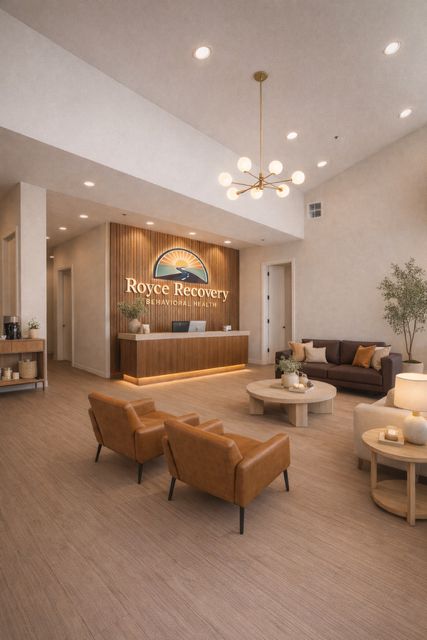
We opened our doors in McKinney with a simple conviction: adults seeking help for mental health and substance use should not have to assemble their own care from scattered providers who never speak to one another.
Our programs run across a full continuum, including partial hospitalization, intensive outpatient, outpatient counseling, and medication management, so clients can step up or down without ever starting over with a new team.
As a veteran-owned practice, we hold ourselves to the standards we served by, and we extend specialized, trauma informed care to service members, veterans, and the families who carry service alongside them.
Clinical philosophy
Our programming is grounded in treatments with established evidence: cognitive behavioral therapy, dialectical behavior therapy informed skills training, motivational interviewing, and trauma focused protocols delivered at a pace the nervous system can tolerate.
Level of care decisions follow the American Society of Addiction Medicine criteria and a full biopsychosocial assessment rather than what happens to be available. Treatment length is clinical, reviewed against measured progress, and never set by a default number of days.
We also say plainly what treatment cannot do. Recovery is not linear, a return to use is clinical information rather than failure, and no program can substitute for the support a person has around them. Our job is to build both the skills and the support structure.

What Sets Us Apart
These are not marketing claims. They are the operating decisions that shape how every program here is run.
Founded and led by those who served. Military culture is not something we studied. It is where we come from, and it shapes how we show up for every client.
Mental health and substance use are treated together, by one team, under one plan. There are no handoffs between programs that do not talk to each other.
Partial hospitalization, intensive outpatient, outpatient counseling, and medication management under one roof, so progress never means starting over somewhere new.
Every plan is built around your goals, strengths, history, and vision for life after treatment. We do not run clients through a template.
Recovery holds when the people around you understand it. Family education and counseling are built into our programming from the start.
We measure success in months and years, not sessions. Continuing care planning begins on day one and follows you out the door.
Our Values
Four words we treat as standards rather than slogans. They decide who we hire, how we communicate with families, and what we do when recovery gets hard.
Meet our team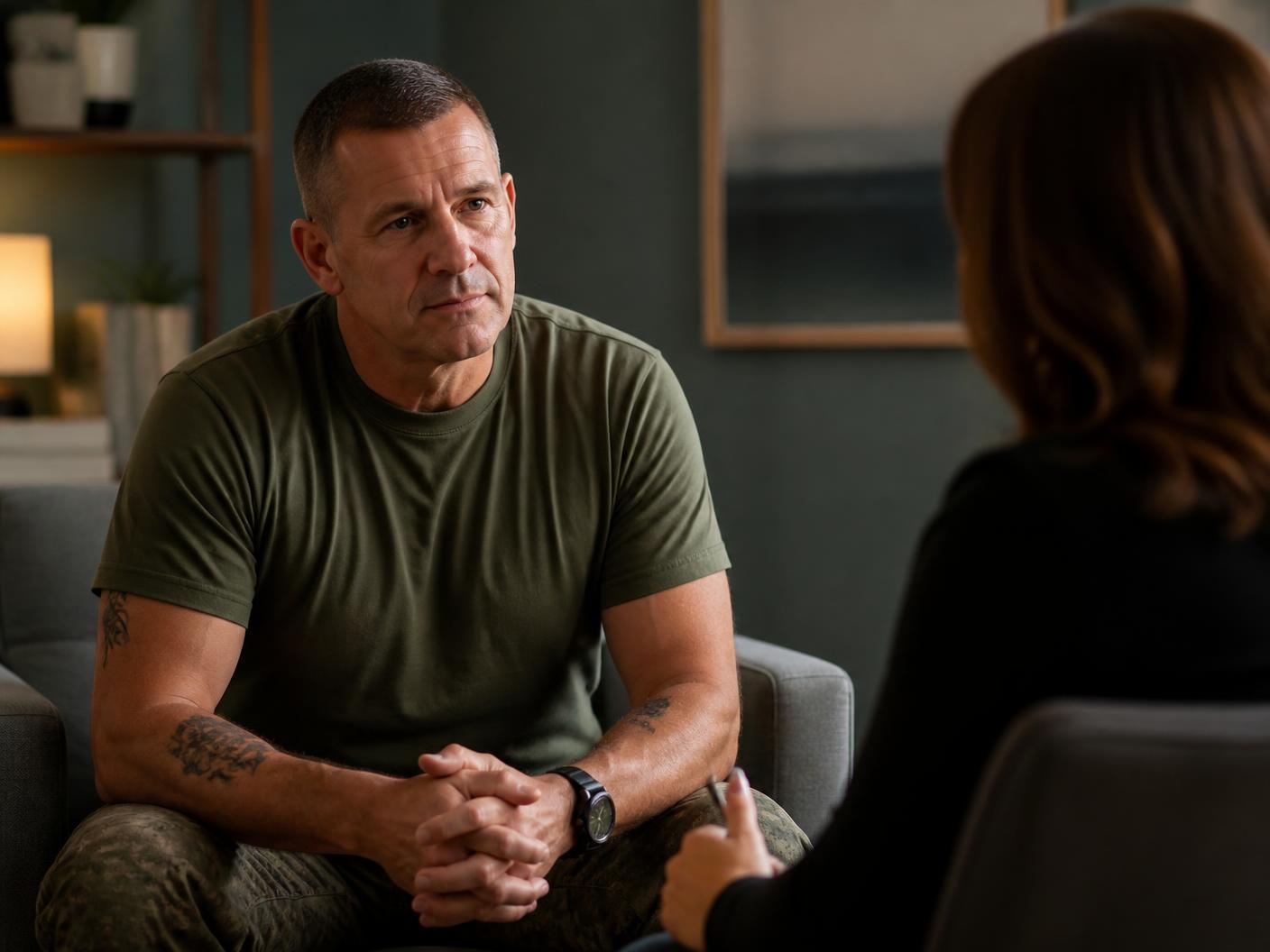
Good to know
Our founder served twenty years in the Marine Corps, and veterans are represented on our clinical staff. In practice it means our clinicians understand military structure, deployment stress, and the identity shift of leaving service, so veterans do not have to translate their experience before treatment can begin.
We serve adults 18 and older who are medically stable and safe to live at home during treatment. Adults needing medically supervised withdrawal management or twenty four hour care are referred to a partner facility first, and we pick up care immediately after.
Yes. Care is delivered by clinicians licensed in Texas, including licensed professional counselors, licensed clinical social workers, licensed chemical dependency counselors, and physicians board certified in psychiatry.
We use brief validated symptom measures at regular intervals alongside clinical judgment, so progress is documented rather than assumed. When the data shows a plan is not working, the plan changes.
Continuing care planning begins in the first week, not the last. Most clients step down to a lower level of care within our own continuum, keeping the same clinician wherever possible, and leave with a written plan that names their supports, warning signs, and next appointments.
Confidential and no pressure. We will help you understand your options and what treatment would look like.